Apple is adding two new questions to the App Store Connect age rating questionnaire on November 16, 2026: does your app let people share their real-world location with others, and does it include dating or romantic features, including AI companions? Every app on the store has to answer both by January 12, 2027, and a "yes" to the second one means an 18+ rating. This guide explains what the new descriptors cover, which apps are likely affected, and how to update your rating without blocking a release.
▶ Watch the video version (about 4 minutes):
What Apple announced
On November 2, 2026, Apple published a short developer news post about two new content descriptors in App Store Connect. Starting November 16, the age rating questionnaire will ask whether your app includes:
- Shared Location: "Sharing of real-world location with another person or group."
- Dating and Relationships: "Features that enable dating or relationship connections between real people and/or a virtual companion that engages a user in sexual or romantic content."
The key rules from the announcement:
- You must answer the new questions when you submit an app update or when you change your age rating questionnaire.
- All apps must have the declarations completed by January 12, 2027, even apps you are not planning to update.
- Apps that include Dating and Relationships get a minimum age rating of 18+.
- Shared Location "may not have an impact" on the minimum rating in some regions. In Brazil, local rules require A16 for Shared Location and A18 for Dating and Relationships.
The tech press picked up the AI angle quickly. The Verge and 9to5Mac both focused on the fact that romance-capable chatbots are treated the same way as human dating apps, while MacRumors highlighted the Brazil exception for parent-child location apps.
How the age rating system works now
These descriptors land on top of the larger age rating overhaul Apple shipped with the version 26 operating systems. According to Apple's age ratings values and definitions page, the global ratings are now 4+, 9+, 13+, 16+ and 18+, plus Unrated, which cannot be published on the App Store at all. Devices on older OS versions still see the older 4+/9+/12+/17+ style values.
The questionnaire is grouped into categories:
- In-App Controls: parental controls and age assurance.
- Capabilities: unrestricted web access, user-generated content, social media, messaging and chat, advertising.
- Mature Themes, Medical or Wellness, Sexuality or Nudity, Violence and Chance-Based Activities (gambling, simulated gambling, contests, loot boxes).
Apple then turns your answers into a global rating plus regional ratings where the law requires one. The same page lists region-specific values for Australia, Brazil, Korea and Vietnam. The Vietnam values (00+, 12+, 16+, 18+) follow Article 38 of Decree 147, which matters if you publish to Vietnamese users like we do.
One detail worth knowing before you add new features: the "Social Media Disabled for Users Under 13" option requires that you call, at a minimum, the Declared Age Range API before enabling social features. Apple is steadily tying ratings to real controls in the app, not just to a form.
Which apps are likely affected
Apple's announcement gives definitions, not a list of app types, so treat the following as our reading of the wording. When in doubt, read the definition literally and ask App Review through App Store Connect.
Shared Location: the key word is "another person"
The descriptor covers sharing real-world location with another person or group. An app that uses location only for its own user, such as a weather app, a store finder or turn-by-turn navigation, does not obviously fit that wording. Likely candidates:
- Family and friend locators, kid trackers and "find my group" features.
- Chat and social apps with "send my location" or live location sharing.
- Fitness and outdoor apps that broadcast a live route to friends or followers.
- Location-based games that show nearby players on a map.
- Field service and delivery apps where a customer sees a worker's live position (this is an edge case; check carefully).
Dating and Relationships: humans and AI companions
This descriptor has two halves. The first is classic dating: features that connect real people for dating or relationships. The second is newer: a virtual companion that engages the user in sexual or romantic content. That second half is aimed at AI companion and roleplay chat apps, and it is the part most teams will underestimate. If your app includes an AI character and your system prompt allows romantic roleplay, assume this descriptor applies.
Narrative games deserve a careful look too. The wording is about a companion that engages a user, so a visual novel or game with romance options may fall under it depending on how the content is delivered. We would not guess here; describe the feature honestly and let the questionnaire do its job.
What the new descriptors change, at a glance
| Item | Shared Location | Dating and Relationships |
|---|---|---|
| What it covers | Real-world location shared with a person or group | Dating between real people, or a romantic/sexual virtual companion |
| Global minimum rating | Not necessarily changed in some regions | 18+ |
| Brazil rating | A16 | A18 |
| Can Brazil be lowered? | Yes, request an official MJSP rating | Yes, same process |
| When to answer | Next update or questionnaire change | Next update or questionnaire change |
| Hard deadline | January 12, 2027 | January 12, 2027 |
A step-by-step checklist
Apple's Set an app age rating guide covers the mechanics. You need the Account Holder, Admin, App Manager or Marketing role.
- List every app you have live, including old apps you never update. The January 12 deadline applies to all of them.
- Audit features against the two definitions. Search your code and product specs for location sharing (live location, "share my location", group maps) and for any matching, dating or AI persona features. Include features behind remote config or A/B tests; they are still in the binary.
- Check your AI prompts and moderation. If a chatbot can drift into romantic content, decide now whether that is a feature (and accept 18+) or a bug (and block it in the prompt, moderation layer and tests).
- Answer the questionnaire after November 16. In App Store Connect go to your app, then App Information, then Age Ratings, and update the answers. Take a screenshot of the result for your records.
- Compare the new rating with your audience. If you are in the Kids category or market to teenagers, an 18+ result is a product decision, not a form detail. Options include removing the feature, moving it to a separate app, or accepting the higher rating.
- Handle Brazil separately. If you share location and target families in Brazil, look at the Ministry of Justice and Public Security's classification guide. Apple says an official rating, once verified, replaces the self-rated one on the Brazilian store.
- Plan around the holidays. Many teams freeze releases in late December. If your next update ships after January 12, update the questionnaire on its own before the deadline instead of waiting for the build.
Pros, cons and common mistakes
What is good about this change:
- Parents get a clearer signal about apps that expose a child's location or put them in contact with strangers.
- AI companion apps now have a defined place in the rating system instead of a grey zone.
- The rules are simple: two yes/no style declarations and a clear date.
What is harder:
- "Sharing with another person" leaves edge cases, such as delivery tracking or coach-athlete apps.
- A single romance-capable AI feature can push a general-audience app to 18+.
- Brazil adds a separate rating track, and lowering it means dealing with a government process in Portuguese.
Mistakes we expect to see:
- Answering "no" for an app whose AI assistant can be talked into roleplay. If a reviewer can trigger it, assume they will.
- Forgetting that a parent-child locator is still Shared Location, even if it is the whole point of the app.
- Leaving old, unmaintained apps without answers until after January 12.
Our take
At Lightning Studio we ship casual Unity games and build business apps for clients, so for most of our catalog the honest answers are "no" and "no". That still means touching every live app in App Store Connect before January 12, which is easy to forget for games that have not had an update in months. We will do it in one pass in late November instead of waiting for each app's next build.
For client apps, the interesting cases are field and service apps that show a worker's live position to a customer, and any app adding an AI assistant this year. Our advice is to write a one-line policy for the AI persona ("no romantic or sexual roleplay"), enforce it in the prompt and in moderation, and test it the way a reviewer would. That keeps a helpful assistant from turning a 4+ app into an 18+ one.
Sources
- Apple Developer: Upcoming new age rating content descriptors in App Store Connect (November 2, 2026)
- Apple: Age ratings values and definitions
- Apple: Set an app age rating
- Apple: Declared Age Range framework
- The Verge: Apple is restricting dating apps and romanceable chatbots to over 18s
- 9to5Mac: Apple to require 18+ age ratings for dating apps and AI romantic companions
- MacRumors: Apple requiring developers to disclose location sharing and dating features
- Brazil Ministry of Justice and Public Security: classification guide
Need help auditing your apps' age ratings, App Store Connect setup or AI features before the January deadline? Lightning Studio builds and maintains iOS and Android apps from Da Nang. Write to support@lightning-studio.org or see what we do at https://lightning-studio.org/studio/.
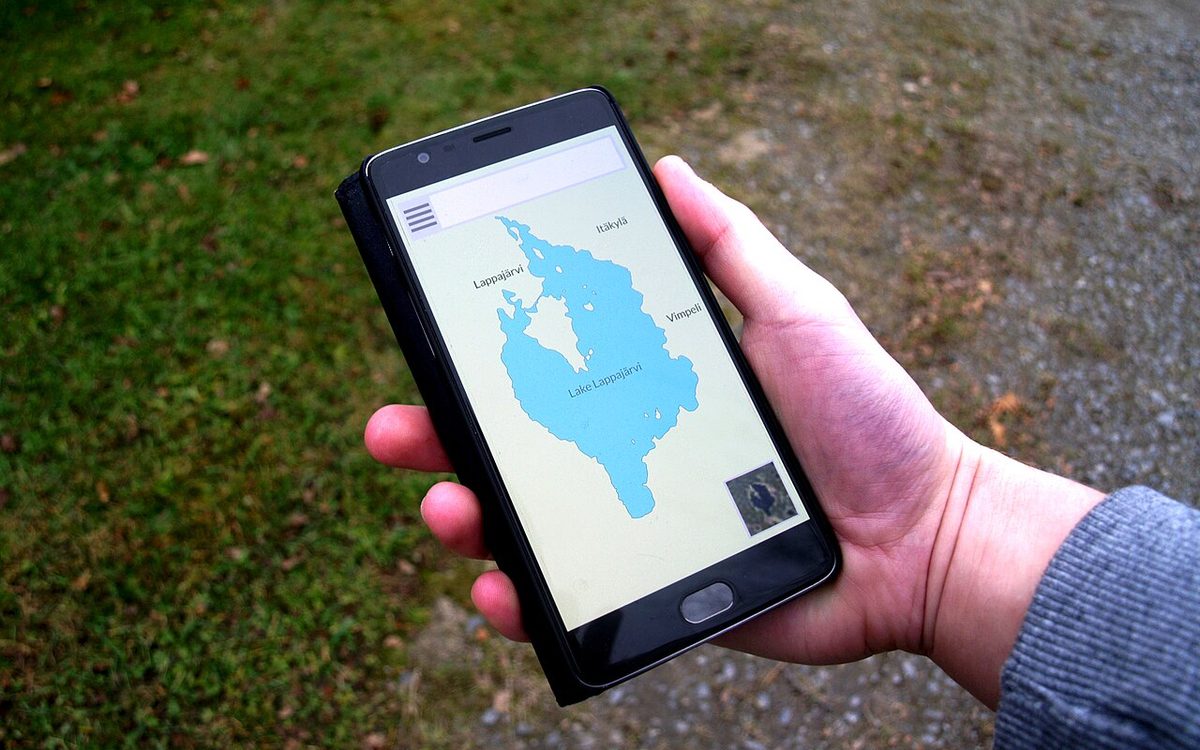
Cover photo: Smartphone with navigation map app by Santeri Viinamäki, CC BY-SA 4.0, via Wikimedia Commons (cropped).
Related posts

Apple Retention Messages Are Live: Cut iOS Subscription Churn
Apple now lets every app show a message, image or discount on the subscription cancel screen. How it works, what App Review rejects, and a setup checklist.
Siri AI Opens to All Apps: How to Prepare Your App Intents Now
Apple's Siri AI Developer Preview lets any app expose custom actions to Siri via App Intents and app skills. What changed, how to test it, and a checklist before spring.

React Native 0.88 and Expo SDK 58: Your Upgrade Plan for iOS 27
React Native 0.88 adds SceneDelegate support for iOS 27, variable fonts and a SwiftPM roadmap. What changed, what Expo SDK 58 adds, and a safe upgrade order.